
Many consumers are curious about the eco-friendliness of steam cleaners. They are often advertised as a green cleaning solution, but what does that actually mean? In this article, we will uncover the details and answer the question: are steam cleaners eco friendly?
In this guide, we’ll break down how steam cleaners work, their environmental impact, energy use, and when they truly make sense for eco-conscious homes.
How Do Steam Cleaners Work?
Steam cleaners use heated water to produce high-temperature steam, which loosens dirt, grease, and grime from surfaces. The heat also helps kill many bacteria and germs — often without the need for chemical cleaners.
Most steam cleaners are used for:
- Floors
- Tile and grout
- Bathrooms
- Kitchens
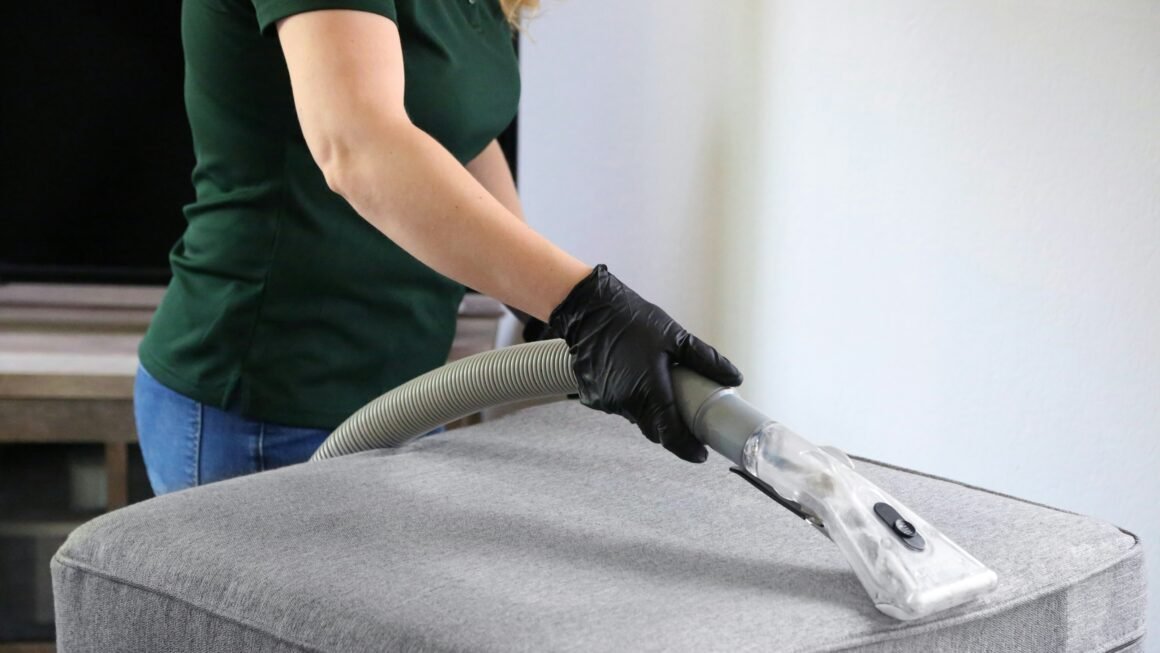
- Upholstery (with the right attachments)
Because they rely mainly on water, they’re often seen as a greener alternative to traditional cleaning methods.
Why Steam Cleaners Can Be Eco-Friendly
Steam cleaners have several environmental advantages:
1. Little to No Chemical Use
One of the biggest benefits is that steam cleaning reduces or eliminates chemical cleaners. This means:
- Fewer toxins entering your home
- Less chemical residue going down the drain
- Better indoor air quality
2. Reduced Plastic Waste
Are Steam Cleaners Eco Friendly?
Using fewer bottled cleaners also means less plastic waste, which is a major environmental plus.
3. Effective Cleaning With Just Water
High-temperature steam can break down grime and sanitize surfaces using only water, making it a more sustainable option when used correctly.
Potential Downsides to Consider
Steam cleaners aren’t perfect, and their eco-friendliness depends on how they’re used.
1. Energy Consumption
Steam cleaners use electricity to heat water. While most models don’t use excessive power, frequent or long cleaning sessions can increase energy use.
2. Water Usage
Although they use less water than traditional mopping, steam cleaners still require refilling — especially for larger homes.
3. Durability & Build Quality
Cheaper models may break quickly, leading to more waste. A poorly made steam cleaner that lasts one year is less eco-friendly than a durable one that lasts five.
How Much Energy Do Steam Cleaners Use?
Most household steam cleaners use between 1200 and 1500 watts, similar to:
- A vacuum cleaner
- A hair dryer
However:
- They’re usually used for short periods
- They clean efficiently, reducing repeat cleaning
In practice, their total energy use is moderate, especially compared to repeated chemical cleaning sessions.
Are Steam Cleaners Safe for All Surfaces?
Not always.
Steam cleaners should not be used on:
- Unsealed hardwood floors
- Delicate surfaces
- Certain laminates
- Heat-sensitive materials
Using steam on the wrong surface can cause damage, which is both costly and wasteful — not eco-friendly at all.
Always check manufacturer guidelines before use.
Steam Cleaners vs Traditional Cleaning Methods
| Method | Chemicals | Water Use | Environmental Impart |
| Steam Cleaning | Minimal | Low–Moderate | Generally eco-friendly |
| Mop + Chemical Cleaner | High | High | Less sustainable |
| Disposable Wipes | High | Low | Plastic waste |
When Are Steam Cleaners a Good Eco-Friendly Choice?
Steam cleaners make the most sense if you:
- Want to reduce chemical use
- Clean hard surfaces frequently
- Choose a durable, energy-efficient model
- Use them correctly and sparingly
They are especially effective for floors, bathrooms, and kitchens, where sanitizing without chemicals is a big advantage.
So, Are Steam Cleaners Worth It?
Yes — with some caveats.
Steam cleaners can be an eco-friendly cleaning option when:
- You choose a well-made model
- You avoid overuse
- You use them on appropriate surfaces
They aren’t a magic solution, but they can significantly reduce chemical use and plastic waste in a typical household.
Related Guides
- Best eco-friendly steam cleaners
- Steam mop vs traditional mop: which is greener?
- Natural alternatives to chemical floor cleaners
